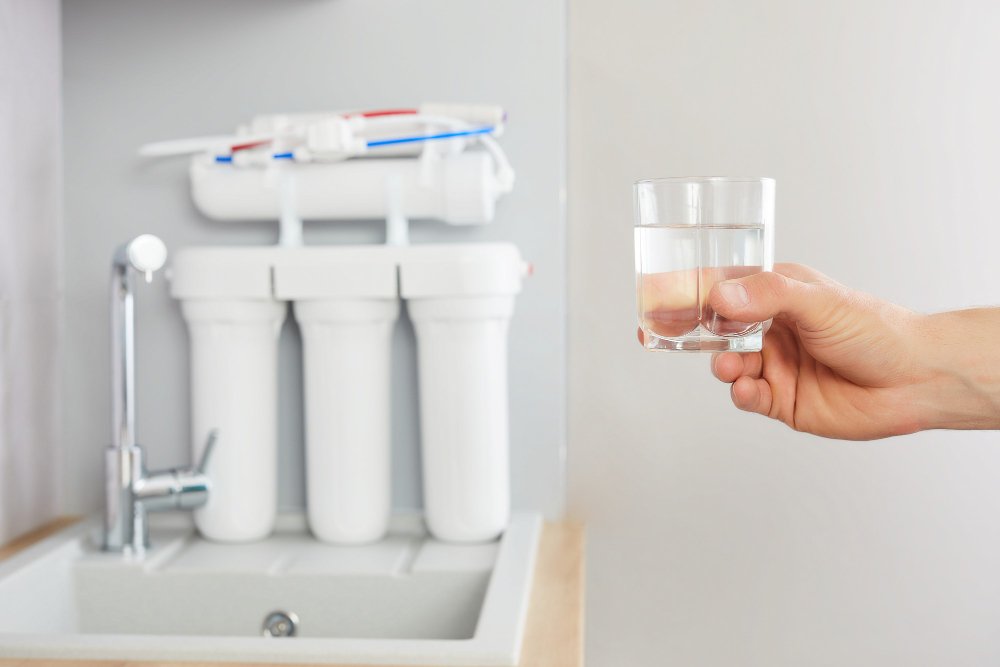

Every homeowner deserves clean, great-tasting water from every tap in their home — not just the kitchen sink. If you’ve been searching for a Whole House Water Filter, you already know how confusing the options can be. Carbon filters, sediment filters, reverse osmosis — what’s best for your home? The truth is, the perfect system depends on your specific water source, household needs, and long-term budget. This step-by-step guide will help you understand what to look for and how to make the smartest investment for your family’s health and comfort.
Step 1: Understand What’s in Your Water
Before you buy any filtration system, you need to know what it’s removing. Municipal water in Sacramento typically meets federal safety standards but may still contain trace amounts of chlorine, minerals, and other additives. Well water, on the other hand, can contain sediment, iron, or even bacteria. Professional water testing identifies these contaminants so you can choose the right Whole House Water Filter system for your home.
Most local contractors offer water testing as part of their service. It’s a small step that ensures your investment addresses your home’s actual needs rather than guesswork.
Step 2: Learn the Types of Whole House Filters
Not all filters work the same way. Different systems target different contaminants. Here are the most common types:
- Sediment Filters: Trap larger particles like sand, dirt, and rust that affect water clarity and appliance life.
- Carbon Filters: Remove chlorine, pesticides, and chemical odors, greatly improving taste and smell.
- KDF Filters: Use a copper-zinc alloy to remove heavy metals like lead and mercury.
- UV Filters: Kill bacteria and viruses using ultraviolet light instead of chemicals.
- Reverse Osmosis Systems: Provide maximum purification but are typically installed at a single point, such as under a sink.
For most homeowners, a multi-stage Whole House Water Filter combining sediment and carbon filtration offers the best balance of performance, cost, and convenience.
Step 3: Match the System to Your Home Size
Your water filter must handle your household’s water demand. Systems are rated by “flow rate” — the amount of water they can process per minute. For example, smaller systems might filter 7–10 gallons per minute (GPM), while large homes may require 15–20 GPM to prevent pressure drops during simultaneous water use.
When choosing your system, consider how many bathrooms you have, how often multiple fixtures run at once, and whether you use water-heavy appliances like washing machines or irrigation systems. A properly sized system ensures seamless performance without reduced flow.
Step 4: Choose Between Cartridge and Tank Systems
Whole house filters generally come in two formats: cartridge-based and tank-based systems.
- Cartridge Systems: Use replaceable filter elements that need periodic changing (every 3–6 months). They’re ideal for smaller homes or moderate water use.
- Tank Systems: Use larger media tanks with backwashing features. These systems last longer — typically 5–10 years — with minimal maintenance.
While tank systems cost more upfront, their lower maintenance makes them more economical over time. Your installer can help you compare both options based on water usage and long-term cost efficiency.
Step 5: Consider Maintenance Requirements
No filter is completely maintenance-free, but the best systems make upkeep simple. Look for models with easy-to-access cartridges, clear replacement schedules, and available parts. A professional installer can also set reminders for maintenance intervals or schedule annual checkups to ensure consistent performance.
Regular maintenance doesn’t just extend system life — it ensures your family always enjoys the cleanest, freshest water possible.
Step 6: Evaluate Filter Media Quality
When it comes to water filters, quality matters. NSF-certified systems have undergone rigorous testing to confirm their performance claims. Always check for certifications that match your primary concerns — such as chlorine reduction or heavy metal removal.
In Sacramento, where water hardness and chlorine are common issues, carbon block and KDF filters typically offer the most effective results. Choosing high-quality filtration media ensures consistent flow and maximum contaminant removal throughout the system’s lifespan.
Step 7: Think About Installation Location
Whole house filters are usually installed at the main water entry point, just after your meter or well tank. The location should allow easy access for maintenance and provide protection from freezing temperatures. Professional installers will also ensure your new system integrates smoothly with existing shut-off valves and pressure regulators.
For best results, work with local plumbing specialists who understand Sacramento’s building codes and can design a layout that ensures full-home coverage without pressure loss.
Step 8: Review Cost and Long-Term Value
The cost of a Whole House Water Filter varies depending on size and complexity. Basic systems start around $1,500, while premium models with UV sterilization or water softening capabilities can exceed $5,000. Maintenance costs typically average $100–$200 per year for filter replacements.
While the upfront cost may seem high, consider the savings from reduced bottled water purchases, fewer appliance repairs, and longer-lasting plumbing fixtures. It’s a one-time investment with lasting comfort and health benefits.
Step 9: Understand the Health and Environmental Benefits
Clean water isn’t just about taste — it’s about overall wellness. Removing chlorine, sediments, and harmful chemicals supports better hydration, skin health, and even cooking quality. Environmentally, whole home systems reduce plastic waste from bottled water and limit the chemicals entering wastewater systems.
These improvements make your home not only healthier but more sustainable, aligning perfectly with Sacramento’s eco-conscious living standards.
Step 10: Enjoy Everyday Advantages
Once installed, you’ll notice the difference immediately. Water tastes fresher, showers feel cleaner, and appliances run more efficiently. You’ll also spend less time scrubbing scale from faucets and dishes. It’s one of those upgrades that quickly becomes part of your everyday comfort — something you’ll wonder how you ever lived without.
Long-Term Impact on Home Value
According to Dream Home Makeover Resource, installing a whole house filtration system is one of the most desirable upgrades for modern homebuyers. Clean, filtered water throughout the home signals proactive maintenance and quality living. In fact, homes with filtration systems often appraise higher thanks to lower long-term operating costs and improved water safety.
Final Thoughts
Choosing the right Whole House Water Filter starts with understanding your water, your home, and your family’s needs. By partnering with certified professionals, you’ll enjoy cleaner, safer water for years to come — along with the confidence that comes from investing in your family’s health and your home’s value. Clean water isn’t a luxury; it’s a necessity, and the right system makes it effortless.